
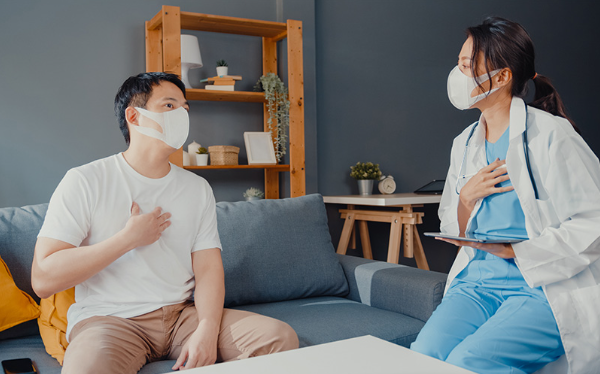
Eczema is a chronic skin condition affecting children and adults, causing symptoms such as inflammation, itchiness, and dryness. While conventional treatments like steroid creams and antihistamines may provide temporary relief, some patients seek long-term solutions with fewer side effects. In Singapore, more individuals are turning to Traditional Chinese Medicine (TCM) for a holistic approach to eczema management. This article explores how Chinese medicine for eczema offers alternative therapeutic strategies and what patients need to consider when exploring TCM eczema in Singapore.
Understanding TCM’s Approach to Eczema
TCM views eczema not as a surface-level skin problem, but as a symptom of internal imbalances. Practitioners often attribute flare-ups to wind, heat, dampness, and a weakened immune system. This broader perspective guides the use of herbal remedies, acupuncture, and dietary recommendations to treat the root causes of the condition rather than just its visible symptoms.
Unlike topical treatments that primarily address inflammation externally, TCM eczema in Singapore aims to rebalance the body’s internal environment. A licensed TCM practitioner will assess the patient’s constitution and lifestyle before prescribing a personalised treatment plan. This diagnostic process ensures that the recommended Chinese medicine for eczema targets the underlying imbalance, whether excess heat, liver dysfunction, or blood deficiency.
Herbal Formulas to Address Root Causes
Herbal prescriptions are central to Chinese medicine for eczema, with formulas chosen to reduce inflammation, improve circulation, and detoxify the body. Commonly used herbs include honeysuckle flower to clear heat and toxins, rehmannia to nourish yin and cool the blood, and skullcap root to reduce damp-heat. These herbs are typically combined into customised formulas in either decoction, powder, or capsule form.
The benefit of herbal treatment is its adaptability. Formulas are adjusted as symptoms change—addressing acute flare-ups with more cooling herbs and supporting long-term recovery with nourishing or immune-modulating ingredients. This personalised method, commonly practised in clinics with TCM eczema in Singapore, ensures ongoing alignment with the body’s changing needs.
Acupuncture and Its Supportive Role
Acupuncture is another tool that can support the treatment of eczema. In TCM, it improves the flow of qi (vital energy) and blood, regulates immune response, and reduces systemic inflammation. Acupuncture may be useful for patients whose eczema is triggered by stress, as it also helps calm the nervous system.
Sessions are typically spaced weekly or bi-weekly, depending on the severity of symptoms. In TCM eczema in Singapore, acupuncture is not a standalone cure but is often used in conjunction with herbs and lifestyle adjustments to achieve optimal results. It complements herbal therapy by enhancing its effects and providing faster relief for itching and inflammation.
Diet and Lifestyle Guidance
Food plays a significant role in TCM’s approach to eczema. Patients are often advised to avoid “hot” or “damp” foods such as shellfish, fried items, dairy, and alcohol, which are believed to aggravate eczema symptoms. At the same time, practitioners may recommend cooling foods such as cucumber, bitter melon, and barley to reduce internal heat.
Lifestyle adjustments may also include managing stress levels, improving sleep hygiene, and avoiding environmental triggers. This holistic aspect of Chinese medicine for eczema supports long-term prevention and self-regulation, making it more than just a treatment plan — it becomes a lifestyle approach tailored to the individual.
Conclusion
TCM offers a personalised and holistic alternative for individuals seeking long-term management of eczema. From herbal remedies and acupuncture to dietary changes, Chinese medicine for eczema addresses the symptoms and the internal causes of the condition. Patients increasingly consider TCM eczema in Singapore not just for symptom relief but for sustainable, whole-body care. If you’re looking for a natural approach to managing eczema, consult a qualified TCM practitioner to explore your options.
Interested in a holistic solution for eczema? Contact Tangs Clinical TCM to customise a treatment plan that supports your long-term skin health.