
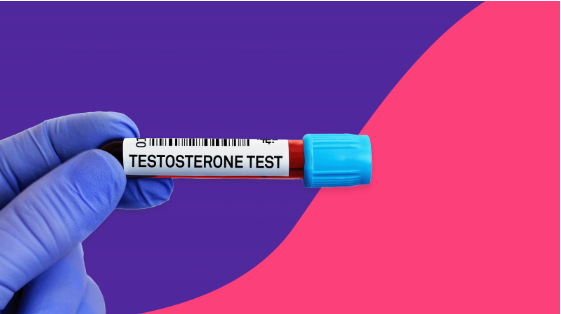
Testosterone is a vital hormone in men’s health, influencing muscle strength, energy levels, mood, and overall well-being. When testosterone levels drop, men may notice fatigue, reduced strength, and a decline in physical and mental performance. A low testosterone test can play a crucial role in identifying these issues early, allowing men to take steps to regain their vitality and live healthier lives. Understanding how these tests work and the benefits they offer can help men make informed decisions about their health.
Understanding Low Testosterone and Its Impact
Low testosterone, also called hypogonadism, occurs when the body produces insufficient amounts of testosterone. This decline can happen naturally with age but may also result from medical conditions, lifestyle factors, or certain medications. Common signs include decreased muscle mass, reduced energy, low libido, irritability, and difficulty concentrating. These symptoms can affect daily life, making routine tasks more challenging and reducing overall quality of life. Recognizing these signs early and taking action through proper testing is critical for addressing the issue effectively.
The Role of a Low Testosterone Test
A low testosterone test measures the amount of testosterone in the blood to determine if levels are below the normal range. The test is simple and usually involves a blood sample taken in the morning when testosterone levels are highest. Doctors use the results to assess whether symptoms are related to testosterone deficiency or another underlying condition. This testing is the first step in creating a tailored treatment plan, whether it involves lifestyle changes, supplements, or hormone replacement therapy.
How Testing Supports Strength Recovery
Testosterone plays a key role in building and maintaining muscle mass. Men with low levels may experience muscle weakness and slower recovery after exercise. A low testosterone test helps identify deficiency so that treatment can be started to support muscle growth and strength. When testosterone levels are optimized, men often notice improvements in physical performance, endurance, and the ability to engage in more intense or frequent workouts. This can restore confidence and motivate men to maintain a consistent fitness routine.
Boosting Energy and Combating Fatigue
Fatigue is one of the most common symptoms of low testosterone. Men may feel drained even after adequate rest, making it hard to stay productive and active. By confirming low testosterone through testing, doctors can address the hormone imbalance and recommend interventions to increase energy levels. Treatments often lead to noticeable improvements in stamina, mental clarity, and daily vitality. With more energy, men can participate more fully in work, social activities, and personal hobbies.
Supporting Mental Health and Emotional Well-Being
Low testosterone not only affects the body but also impacts mental health. Men may experience mood swings, depression, irritability, or reduced motivation. A low testosterone test can clarify whether these emotional changes are linked to hormone levels. Identifying a deficiency allows for targeted treatment that can improve mood, reduce anxiety, and enhance overall mental well-being. Feeling emotionally balanced contributes to better relationships, increased confidence, and a more fulfilling lifestyle.
Taking Steps After a Low Testosterone Test
Once a low testosterone test confirms a deficiency, several strategies can help men regain strength and energy. Doctors may suggest hormone replacement therapy, dietary adjustments, exercise programs, or lifestyle modifications such as improved sleep and stress management. Regular follow-up testing ensures that treatments are effective and testosterone levels are maintained within a healthy range. This proactive approach empowers men to take control of their health and achieve long-term benefits.
Conclusion
Low testosterone can significantly affect a man’s strength, energy, and overall quality of life. A low testosterone test provides valuable insights that help identify deficiencies early, allowing for timely intervention. By addressing low testosterone through proper treatment, men can regain muscle strength, improve energy levels, enhance mental well-being, and enjoy a more active and fulfilling life. Regular testing and professional guidance ensure that men stay on track toward optimal health and vitality.