
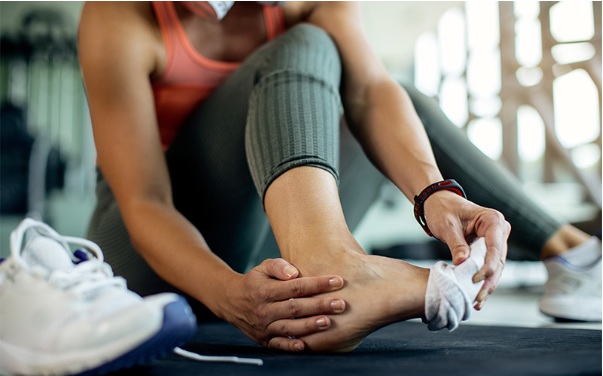
An ankle ligament tear limits movement, balance, and everyday function. Individuals in Singapore seeking help from an ankle specialist begin recovery through structured, medical-guided phases. Recovery does not happen overnight. It progresses based on injury severity, personal discipline, and consistency in therapy.
Initial Diagnosis and Treatment Plan
Recovery begins with diagnosis. An ankle specialist in Singapore conducts physical examinations and imaging tests, usually an MRI or ultrasound. These identify the type and extent of the ankle ligament tear. Partial tears typically heal faster than full ruptures, though both require attention.
Patients begin with RICE—rest, ice, compression, and elevation. Stabilising the ankle using a brace or cast helps reduce further damage. In severe cases, surgery becomes necessary to repair the torn ligament. After that, rehabilitation starts under supervision.
Singapore clinics follow evidence-based protocols. Doctors align recovery timelines to the patient’s specific injury and body response. During this phase, pain and swelling reduce slowly. Walking remains restricted or guided using crutches.
Patients receive prescriptions for anti-inflammatory medication and guidance for limiting ankle pressure. Early compliance sets the tone for a successful recovery, preventing chronic instability or repeated sprains. Progress assessments take place weekly, led by the same ankle specialist for consistency.
Progressive Physiotherapy and Mobility Work
As the ankle stabilises, doctors recommend physiotherapy. Ankle specialists in Singapore refer patients to trained therapists who create structured programs. These exercises target joint mobility, muscle strength, and proprioception.
Sessions begin with gentle movements, such as ankle rotations or alphabet drawing with the toes. Gradually, weight-bearing exercises return. Resistance bands, balance boards, and stability pads become essential tools during therapy.
Physiotherapists monitor progress using strength assessments and balance tests. They advise on daily walking limits and footwear support. Recovery progresses at varying rates, but most patients resume basic walking within 6 to 8 weeks for moderate tears.
The ankle ligament tear may still cause stiffness or discomfort during extended use. However, with consistent training, movement becomes more fluid. Patients also receive stretching routines to perform at home, reducing dependence on therapy sessions.
Rehabilitation in Singapore remains goal-oriented. Medical staff guide every transition. Each milestone reflects how well the ligament responds to load and movement. Progress reports ensure personalised adjustments.
Returning to Daily Activities and Work
Once basic mobility returns, patients shift focus to returning to daily routines. This stage tests the ankle in real-world conditions. Individuals return to walking for transport, standing for extended periods, or navigating stairs without assistance.
Ankle specialists in Singapore warn against rushing recovery. While the pain may subside, the ligament may not regain full strength yet. Injuries often resurface due to premature loading. Gradual exposure to physical tasks prevents setbacks.
Occupational therapists may suggest adaptive methods for work and commuting. Standing desks, elevated leg support, or modified footwear aid comfort. Athletes or physically active individuals often need a longer timeline, with more sports-specific conditioning.
Supportive gear such as ankle guards or kinesiology tape helps minimise strain. These tools assist movement without completely immobilising the joint. Regular follow-ups with the ankle specialist confirm ligament healing through imaging or stability checks.
Resuming previous levels of activity typically occurs between 8 to 12 weeks. Severe cases take longer. Patients with strong compliance and guided therapy often return faster with fewer complications.
Long-Term Joint Care and Relapse Prevention
Recovery does not end once walking or working resumes. Post-recovery care plays a major role in avoiding future tears. Ankle specialists in Singapore continue monitoring joint integrity for up to six months or longer.
Ligaments remain prone to damage if left untrained. Daily mobility drills, strength exercises, and balance tasks keep the joint functional. These include heel raises, single-leg stands, or light agility movements.
Sports enthusiasts may work with trainers to regain peak performance. Full clearance for high-impact activity requires proof of strength symmetry, reactive balance, and pain-free movement.
Preventing a second ankle ligament tear involves daily awareness. Patients avoid uneven terrain, wear stable shoes, and pause any activity that causes discomfort. Singapore clinics also provide periodic workshops or refresher sessions for previously injured patients.
Support networks matter too. Friends, colleagues, or coaches help enforce limits and track progress. A structured approach keeps the joint functional for years without relapse.
Recovering from an ankle ligament tear involves more than rest. Professional help ensures strength, balance, and stability return safely. Visit Specialist Orthopaedic Centre to consult with an experienced ankle specialist in Singapore and take the right steps toward full recovery.